
How to Make Large Ice Cubes and Ice Spheres at Home
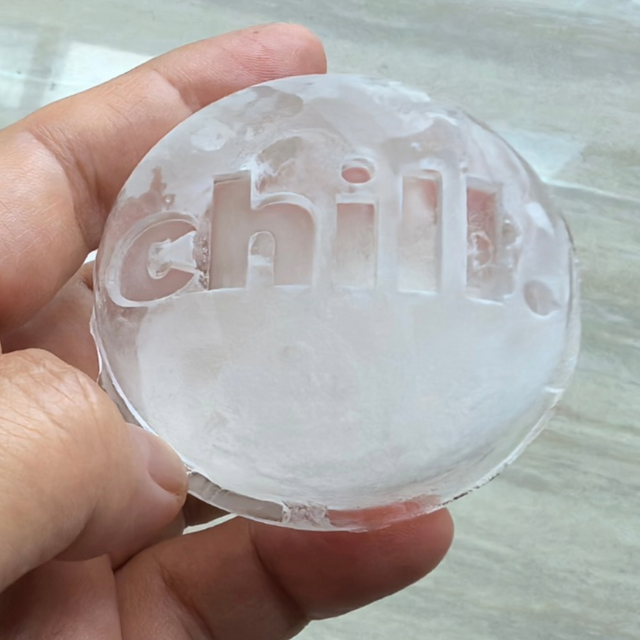
Making large ice cubes and ice spheres at home is super simple. You need a silicone ice cube tray with big moulds, filtered water, a flat spot in your freezer, and about eight hours.
Whether you're after a tray for ice cubes or proper spheres, the principle is the same. The Ice Rocks tray makes 4.5cm spheres using a large ice sphere mould, wide enough to fit through the mouth of your Dug bottle and slow enough to melt that your drink stays cold long after your work day ends.
Why Bother With Large Ice Cubes?
Small ice melts fast. That's the whole problem.
Tip a tray of standard ice into your bottle on a hot day and by smoko it's lukewarm water. Small cubes have a massive surface area relative to their size, which means more contact with warm liquid, which means faster melt.
Large ice cubes melt slower because there's less surface area relative to the volume of ice. The drink stays colder for longer. You're not refilling every hour.
And if your bottle is already double-wall insulated, big ice keeps it cold from the inside too. You're working the problem from both ends.
What You Need
A large ice cube tray or ice sphere tray.
Not a standard tray. You need moulds that are at least 4cm across. Big enough to actually matter, small enough to fit through the top of your bottle.
The Ice Rocks tray makes 4.5cm spheres. They drop straight through the wide mouth on every Dug bottle. No forcing it, no chipping it down, no nonsense.
Filtered water.
Optional, but worth it. Tap water has dissolved minerals and air bubbles that make ice look cloudy and taste like tap water. Filtered or boiled-and-cooled water makes clearer, cleaner-tasting ice. If you're fussy about your drinks, it matters.
A flat freezer surface.
Spherical moulds need to sit level or you get a lopsided freeze. Most silicone sphere trays have a lid that holds the shape. Still worth finding a flat shelf rather than balancing them on a bag of frozen peas.
Eight to twelve hours.
Big ice needs a full freeze. Don't rush it. Make one batch the night before and the next day will be ready to go.
How to Make Large Ice Cubes Step by Step
1. Fill the tray slowly.
Pour filtered water into each mould. Fill to just below the top. Water expands when it freezes and an overfull mould makes a mess.
2. Seal the lid if your tray has one.
Sphere trays typically have two halves that clip together. Seal it before you put it in the freezer or you get flat-sided balls instead of proper spheres.
3. Place it on a flat surface in your freezer.
Level surface, nothing stacked on top. Leave it alone.
4. Freeze for 8 to 12 hours.
Overnight is easiest. Big ice needs time. Check it's fully solid before pulling it out. A slightly slushy center means more time.
5. Remove from the mould.
Silicone flexes, so the ice pops out cleanly. Run the outside of the tray under warm water for a few seconds if they're being stubborn.
6. Drop into your bottle.
4.5cm spheres go straight into any Dug bottle's wide mouth opening. No dramas.
Tips for Better Ice at Home
Make ice in batches. Once you've got the process down, make a few trays at a time and store the ice spheres in a zip-lock bag in the freezer. You've always got a supply ready without thinking about it.
Keep your tray clean. Silicone absorbs smells over time. Wash the tray with warm soapy water after each use and let it dry fully before the next batch. If it starts smelling off, a quick soak in water and white vinegar sorts it.
Don't use ice that sits too long. Ice absorbs freezer odours. Old ice tastes like everything else in your freezer. Fresh ice tastes like water. Make batches regularly rather than leaving a bag untouched for six weeks.
Boil the water first for extra clear ice. Boiling drives out dissolved gases before you freeze it, which reduces cloudiness. Let it cool fully before pouring into your mould.
Does Bottle Size Matter for Ice?
Yes, and it's something most people don't think about until they're jamming a massive ice block into a small opening.
Standard ice cube trays make cubes around 2.5 to 3cm. That fits most bottles. Large silicone trays make spheres or cubes 4 to 6cm across. Those only work with wide mouth bottles.
Every Dug bottle has a wide mouth opening, 500ml, 1.1L, 2L and 4L, specifically so you can get proper ice in without fighting it. The 4.5cm Ice Rocks spheres drop straight in.
If you're using a narrow-mouth bottle from another brand, large ice is going to be a problem. That's a narrow-mouth bottle problem, not an ice problem.
Ice Rocks: The XL Ice Sphere Tray for Dug Bottles
The Ice Rocks silicone tray is purpose-built for Dug bottles. Makes 4.5cm spheres that fit the wide mouth on every bottle in the range.
Silicone construction. Flexible enough that ice pops out without cracking. Dishwasher safe. Doesn't leave weird plastic tastes in your ice.
If you're running a 2L One Big Unit or a 4L Dug Jug through the day, Ice Rocks gives you the ice that actually keeps up.
FAQ
How long does it take to make large ice cubes at home?
Eight to twelve hours for a full freeze. Overnight is the easiest approach. Make a batch before bed and they're ready in the morning.
What size ice cube fits in a wide mouth water bottle?
Moulds up to about 5cm across fit comfortably through a standard wide mouth opening. The Ice Rocks tray makes 4.5cm spheres that fit straight into every Dug bottle.
Why does large ice melt slower than small ice?
Less surface area relative to volume. Small ice cubes expose more surface to warm liquid, so they melt faster. A large sphere or block has far less contact area for the same volume of ice, so the melt rate drops significantly.
Can I use tap water for making ice at home?
Yes, but filtered or pre-boiled water makes clearer, better-tasting ice. Tap water contains dissolved minerals and gases that cause cloudiness and can affect flavour.
How do I stop ice spheres from sticking in the mould?
Flex the silicone mould gently and the ice releases cleanly. If they're stubborn, run the outside of the mould under warm water for a few seconds.
Do large ice cubes work in insulated bottles?
Yes, and they work best in insulated bottles. Double-wall insulation keeps cold in from the outside. Large slow-melting ice keeps it cold from the inside. The two work together.